I’ll just let the cat out of the bag for you: There’s no magic number. Creators with 2,000 followers get paid, and so do creators with 2 million.
What actually matters is the engagement, niche, and which monetization path you pick. Follower count is just one input, not the whole formula.
I’ve worked with enough creators to know what actually works for getting paid on Instagram. Let me walk you through exactly how the thresholds work, what real creators are earning at each stage, and how to get there faster if you don’t want to wait it out.
Does Instagram pay you directly for followers?
No. Instagram doesn’t pay you just for having followers, and it doesn’t pay per view or per like outside of a few invite-only bonus programs.
Nearly all creator income comes from three places:
- Instagram’s own built-in features (subscriptions, gifts, badges, bonuses)
- Brand deals (sponsored posts, UGC, affiliate links)
- Your own products or services (shops, courses, coaching)
Follower count only really matters for the first category. The other two run on engagement and niche fit.
What follower count unlocks Instagram’s built-in monetization tools?
Here’s exactly where each native feature unlocks, based on Instagram’s own eligibility requirements:
| Feature | Minimum followers | Account type | Payout model |
| Gifts | 500 | Professional | $0.01 per star, $25 minimum payout |
| Badges | Not fixed, tied to live eligibility | Creator | $0.99–$4.99 tips during Lives |
| Subscriptions | 10,000 | Professional | Monthly fee you set |
| Bonuses | Invite-only, varies | Professional | Paid per view cycle, region-dependent |
Gifts are the lowest-barrier feature Instagram offers. At just 500 followers with an active audience, you can already start earning something directly from fans.
How many followers do you need for brand deals?
Brand sponsorship deals typically start becoming realistic around 5,000 to 10,000 followers, though this shifts a lot by niche. Some small or local brands will work with accounts well under that if the audience is tight and engaged.
What brands actually check first is engagement rate, not the number under your bio. A creator with 3,000 highly engaged followers in a specific niche is often worth more to a brand than someone with 50,000 passive followers in a crowded lifestyle space.
How much can nano-influencers actually earn per post?
Nano-influencers, meaning creators with 1,000 to 10,000 followers, typically earn between $10 and $100 per sponsored post. Here’s how that scales up by tier, based on Influencer Marketing Hub‘s benchmark data:
| Tier | Follower count | Estimated rate per post |
| Nano | 1,000–10,000 | $10–$100 |
| Micro | 10,000–50,000 | $100–$500 |
| Mid-tier | 50,000–500,000 | $500–$5,000 |
| Macro | 500,000–1,000,000 | $5,000–$10,000 |
| Mega | 1,000,000+ | $10,000+ |
At the very top end, creators with a million-plus followers and strong brand fit can negotiate $25,000 to $100,000+ per post, though that comes with a team managing the deals, not a solo creator filling out forms.
Do brands care more about engagement than follower count?
Yes, consistently, across every tier. A 15,000-follower creator with a 12% engagement rate can outperform a 200,000-follower account sitting at 0.8% engagement, when it comes to what a brand actually gets out of the partnership.
Comments, saves, shares, and link clicks are the signals that tell a brand your audience actually listens. A big number with a quiet audience behind it isn’t worth much to anyone paying for results.
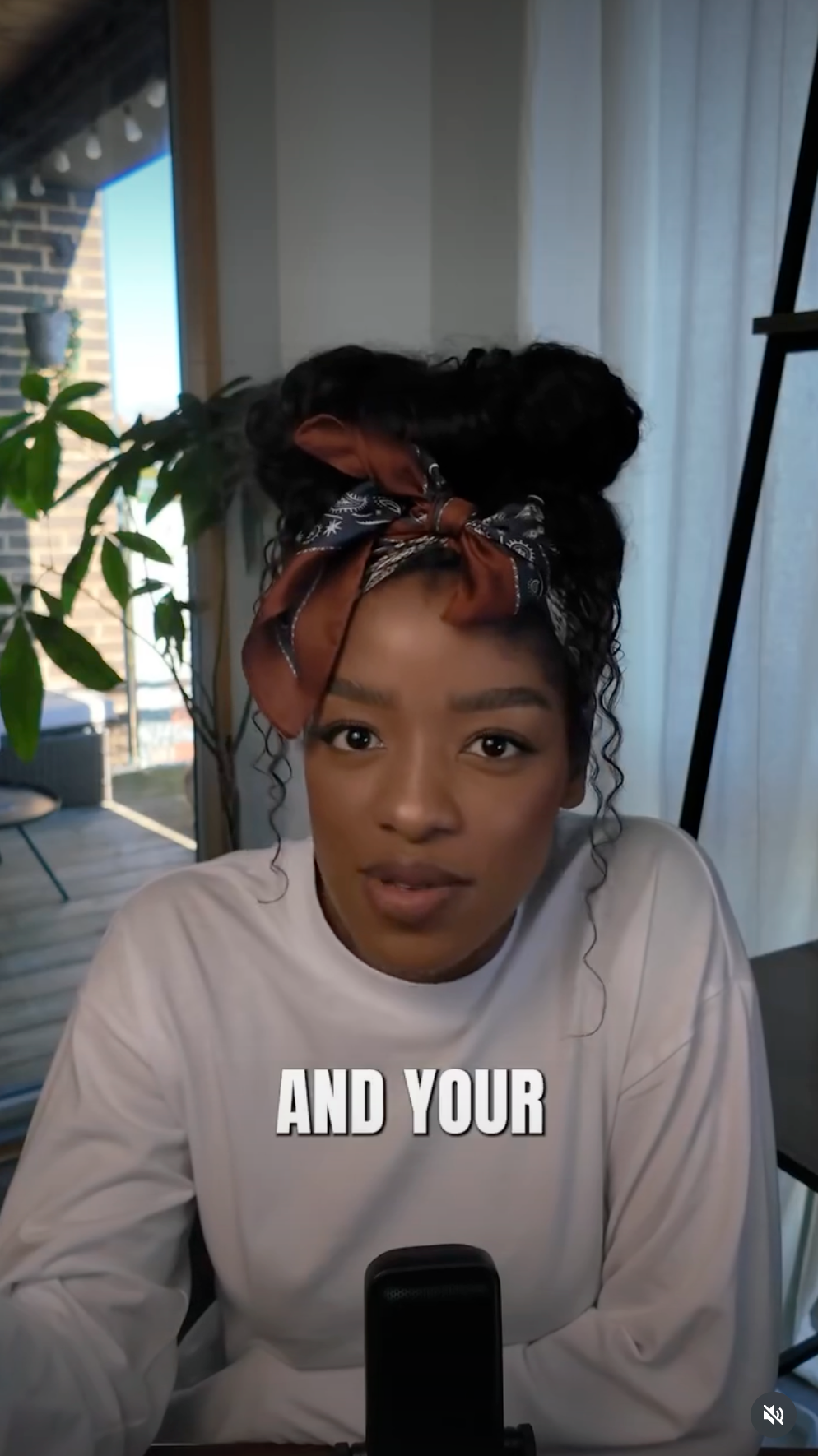
Creator Jade Beason (@jadebeason) built her Adobe Express partnership this way. Her content earns real engagement in a tight professional niche, which is exactly why the brand kept coming back to her page instead of chasing a bigger, broader account.
How much do micro-influencers really make in a year?
According to Lumanu’s 2025 analysis of over $1 billion in creator payouts, micro-influencers with 10,000 to 100,000 followers averaged $38,500 in annual earnings. About 30 to 40% of that came from fan monetization tools like subscriptions and tipping, not brand deals alone.
This is the tier where things start to compound. Subscriptions and badges become available, brand deals get more consistent, and creators usually start stacking two or three income streams instead of relying on one.
Does your niche affect how much you can earn?
Yes, a lot. High-value niches like personal finance, health, B2B tools, and real estate consistently pay more per post than crowded lifestyle or entertainment niches, where competition drives average rates down.
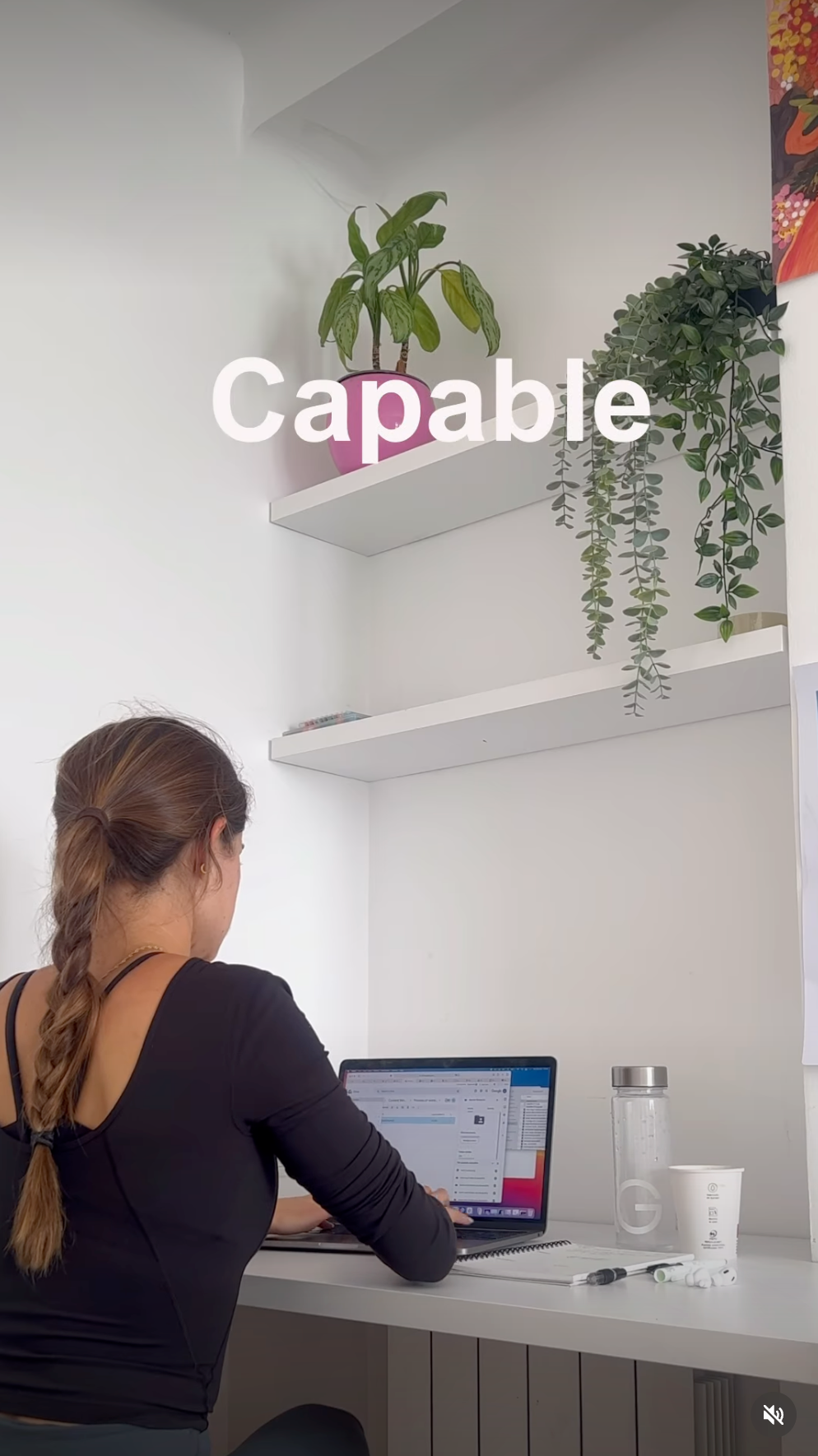
Fitness coach Adriana Blanc (@adrianatblanc) built her income around a niche membership program rather than one-off brand deals, promoting it directly to her Instagram audience. Because her niche has a clear, high-intent audience, the same follower count converts to more revenue than it would in a broader lifestyle space.
How is engagement rate actually calculated?
Add up your likes and comments on a post, divide by your follower count, then multiply by 100. Check your last ten posts and average them out for a reliable number.
A good engagement rate generally sits between 1% and 5%. So if you have 1,000 followers, getting 10 to 50 likes or comments per post is a healthy sign. Below that range, brands start to notice, no matter how big the follower count looks.
What can you realistically earn at 100K+ followers?
At 100,000 to 1,000,000 followers, brand deals stop being something you pitch for and start being something brands bring to you. Flat-rate sponsorship deals replace the smaller commission-based arrangements typical of earlier tiers, and rates typically range from $2,000 to $15,000+ per post depending on niche and production quality.
Past a million followers, you’re negotiating contracts rather than filling out inbound forms. Rates can reach $25,000 to $100,000+ per post for the right brand fit, and most creators at this level have a manager or team handling those conversations.
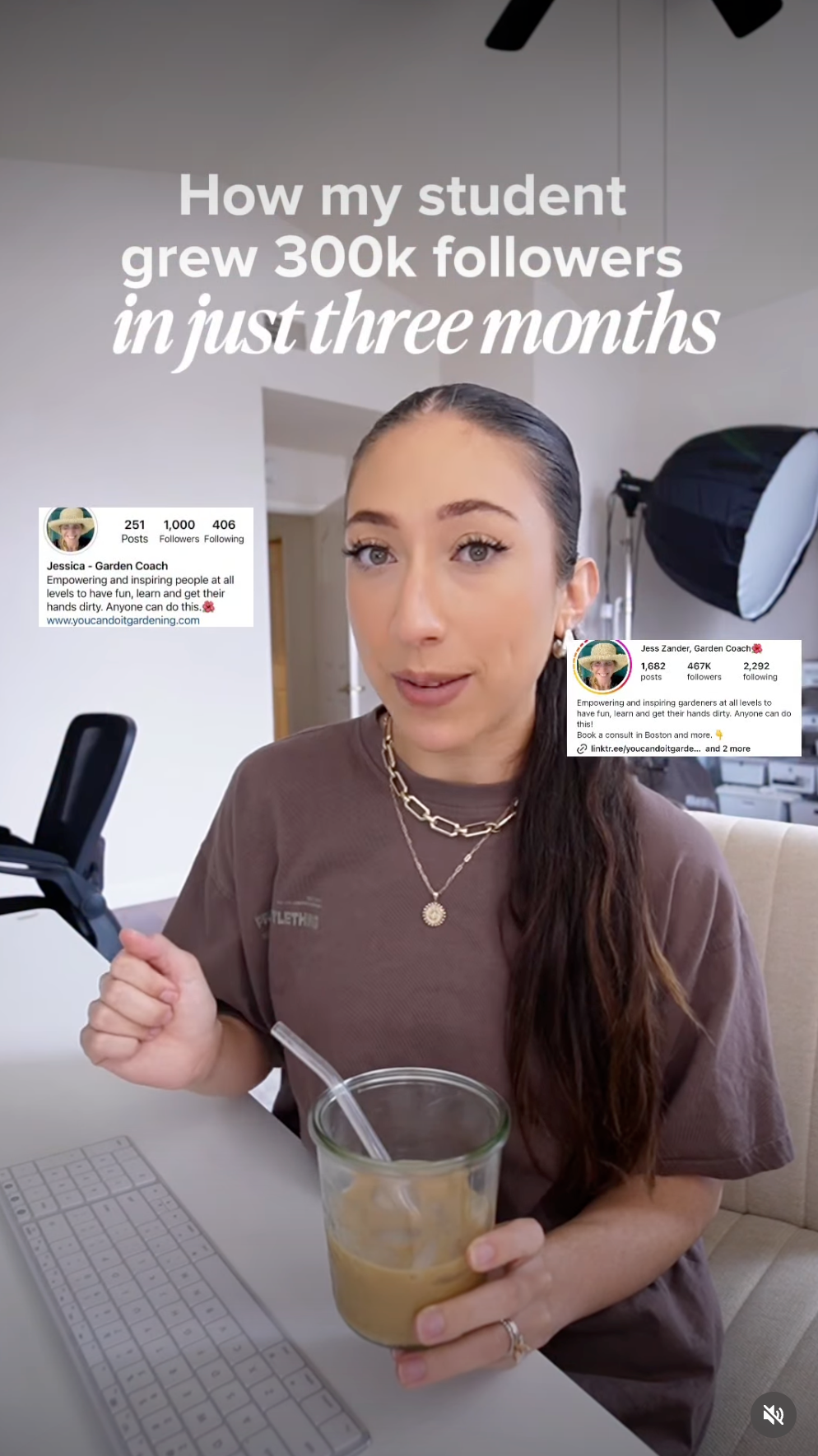
Content creator Camille Adrian (@itsmodernmillie) built her audience around teaching other creators how to grow and monetize, and now promotes digital courses, templates, and tutorials directly through that same following. It’s a clear example of how a defined niche compounds as the audience grows, rather than the follower count doing all the work on its own.
How does earning potential scale with account size?
Here’s a side-by-side look at how engagement rate and estimated monthly earnings tend to shift across follower tiers, based on data compiled from Influencer Marketing Hub and industry benchmark reports:
| Follower range | Typical engagement rate | Estimated monthly earnings | Sponsored post rate |
| 1,000–5,000 | ~5.6% | ~$1,420 | Up to $100 |
| 10,000–100,000 | 1–5% | Varies with income mix | $100–$500 |
| 100,000–1,000,000 | 1–3% | Structured brand income | $2,000–$15,000+ |
| 1,000,000+ | ~1.97% | Team-managed income | $25,000–$100,000+ |
Notice how engagement rate actually drops as follower count climbs. That’s normal. Bigger audiences include more casual followers, and it’s part of why brands weight engagement rate so heavily instead of judging accounts on raw size alone.
Yes, through a few specific paths that don’t have a follower minimum at all:
- UGC (user-generated content) deals, where brands pay for content they post themselves
- Affiliate links and promo codes, earning a commission per sale
- Selling your own digital products, templates, or services
Hair care brand Fix My Curls (@fixmycurls) regularly reshares and credits UGC from small creators who mention their products, no follower threshold required. Creator Hitika Sachdev built an affiliate partnership around a personal promo code, earning commission on every sale it tracks, regardless of her exact follower count at the time.

What if you don’t want to wait months to grow your following?
This is where most creators hit a wall. Growing from zero to an engaged 10,000 takes real time, even with a strong content strategy.
Some people skip that runway entirely by picking up an account that already has real followers and engagement in their niche. Services like SwapSocials sell pre-built Instagram accounts this way, so you’re stepping into a page that’s already past the earliest, slowest stretch of growth instead of starting from a blank profile.
It’s not the only path, and it’s not for everyone. But if the follower math above feels like a long road, it’s worth knowing this option exists alongside the organic route.
What actually moves the needle at every follower level?
Four things matter more than your raw follower count, no matter what tier you’re in:
- Engagement rate. Comments, saves, and shares show brands your audience is real and listening.
- Niche. Tighter, higher-intent niches pay more per follower than broad ones.
- Content quality. Well-produced photos and video consistently attract better-paying brands.
- Consistency. Regular posting signals reliability, which is exactly what brands look for in a long-term partner.
There’s no universal formula for hitting a specific income target. Most creators in the 10,000 to 50,000 range get there by combining brand deals, affiliate income, and their own products, not by relying on one single stream.
Common mistakes that slow down monetization
❌ Chasing follower count instead of engagement rate
❌ Picking a broad niche instead of a specific one
❌ Relying on a single income stream instead of stacking two or three
❌Ignoring Instagram Insights to see what’s actually converting
❌ Overloading the feed with brand content, which quietly kills trust and future deals
Marketing consultant Annie-Mai Hodge has flagged that an overload of inauthentic brand collabs can hurt growth and engagement long term. If your feed starts to feel like a media kit, people stop engaging, and that hurts your chances of monetizing further down the line.
Quick checklist before you try to monetize
✅ Your account is set to Professional (Creator or Business)
✅ You know your actual engagement rate, not just your follower count
✅ You’ve picked one clear niche your content sticks to
✅ You’ve picked one income path to start (UGC, affiliate, or a native feature)
✅ You’re checking Insights regularly to see what’s actually working
Should you rely on one income stream or stack several?
Stack several. Relying on a single Instagram feature or one brand relationship is risky, since platforms change their rules and brands change their budgets.
Most consistent earners mix at least two or three of the following:
- A brand deal or two per month
- Ongoing affiliate links in bio and Stories
- One native Instagram feature they qualify for
- Their own product, service, or digital download
This mix also protects you if one stream slows down. A quiet month for brand deals doesn’t have to mean a quiet month overall if affiliate income and product sales are still running in the background.
Why do some bigger accounts earn less than smaller ones?
Because size and quality aren’t the same thing. An account with 200,000 followers and a flooded, low-engagement feed can genuinely underperform a tightly-run account with a fraction of the audience.
Brands running real campaigns want measurable outcomes: clicks, saves, conversions. A quiet, oversized following doesn’t deliver that, no matter how impressive the number looks on a media kit. This is exactly why nano and micro-influencers keep landing deals that used to go exclusively to bigger names.
Final thoughts
Chasing a follower number is the wrong goal. Chasing an engaged, well-defined audience is the right one, since that’s what actually converts into paid opportunities at every single tier.
Start with whichever path fits your current follower count, whether that’s affiliate links today or subscriptions once you cross 10,000. Track your engagement rate honestly, pick a niche and stick with it, and layer in a second income stream once the first one is working.
If you’d rather skip the early, slower stretch entirely, that route exists too. Either way, the fundamentals stay the same: real engagement, a clear niche, and consistency, are what actually get you paid.
Frequently Asked Questions
Can you get paid on Instagram without being famous?
Yes. Most paid creators aren’t celebrities. Brands and Instagram’s own tools both reward real, engaged audiences over sheer size.
What’s the fastest way to start earning if I’m just starting out?
Affiliate links and UGC deals are the most beginner-friendly, since neither requires a follower minimum. From there, layer in native Instagram features as you hit their thresholds.
Does Instagram pay per view or per like?
No, not outside of invite-only bonus programs. Most income comes from brand deals, affiliate commissions, and Instagram’s paid features like subscriptions and badges.
How long does it usually take to start earning consistently?
It varies a lot by niche and effort, but most creators who post consistently and pick one income stream start seeing small, regular earnings within a few months. Larger, predictable income usually takes six months to a year of steady growth and testing.